Yangzhou Tongyang Chemical Equipment Co., Ltd.


News Center
《Tongyang Successfully Delivers Middle East Oil Project》
Release time:
2024-11-20
From April to October 2024, Tongyang smoothly completed the delivery of the Middle East oil project. This delivery, under the friendly collaboration of various departments of the company, went through stages such as design, production, and export customs clearance. The products cover three types: fixed tube sheet heat exchangers, floating head heat exchangers, and U-tube heat exchangers.
《Tongyang Successfully Delivers Middle East Oil Project》
From April to October 2024, Tongyang smoothly completed the delivery of the Middle East oil project. This delivery, under the friendly collaboration of various departments of the company, went through stages such as design, production, and export customs clearance. The products cover three types: fixed tube sheet heat exchangers, floating head heat exchangers, and U-tube heat exchangers.
I. Design/Manufacturing Standards: Adopting ASME SEC.VIII DIV.1 (2021 edition) and ASME SECT.VIII DIV.2 (2019 edition).
II. Product Introduction:
(1) Fixed Tube Sheet Heat Exchanger
The tube sheets at both ends of the cylinder of the fixed tube sheet heat exchanger are connected and fixed to the shell by welding. The heat exchange tubes can be light tubes or low-fin tubes, and are suitable for situations where the shell-side medium is clean, not easy to scale, soluble, washable, and the temperature difference between the tube side and shell side is small or large and the shell-side pressure is not high.
Its working principle is that in the tube side and shell side, the fluid flows normally at different temperatures and completes heat exchange through the heat exchanger. When the temperature difference between the two fluids is large, a compensation ring is usually added at an appropriate position on the shell side to compensate for the thermal expansion caused by the temperature difference stress.
This heat exchanger is composed of tube sheets, shells, tubes and other components. It has a compact structure, many tubes, and a large heat exchange area under the same diameter. The manufacturing is relatively simple. The two ends of the tube bundle are fixed on the tube sheet by welding or expansion. The two ends of the tube sheet are directly welded to the shell. The inlet and outlet pipes on the shell side are directly welded to the shell. The flange at the outer edge of the tube sheet is fastened by bolts. The inlet and outlet pipes on the tube side are directly welded to the head. According to the length of the heat exchange tube, several baffles are set in the tube bundle. The tube side of the heat exchanger can be divided into any number of channels through the diaphragm.
The fixed tube sheet heat exchanger has the advantages of simple structure, low manufacturing cost, convenient tube cleaning, multiple tube passes, double shell passes, wide specification range, etc., and is widely used in engineering. However, it is more difficult to clean the shell side and is not suitable for dirty or corrosive media. If the expansion difference is large, an expansion joint can be set on the shell to reduce the thermal stress. At the same time, it has the advantages of less bypass seepage, less use of forgings, low cost, no internal leakage, and a heat transfer area 20% - 30% larger than that of a floating head heat exchanger.
(2) Floating Head Heat Exchanger
The tube sheet at one end of the floating head heat exchanger is the floating head part, which can eliminate pressure through expansion during heating. One end is fixed between the shell and the tube box, and the other end can move freely in the tube shell. The heat exchanger shell and tube bundle can expand freely, and the tube bundle can be pulled out for easy cleaning. This heat exchanger has a complex structure and high manufacturing cost (20% higher than that of a fixed tube sheet). In operation, the floating head is prone to leakage and is not easy to detect and handle. It is suitable for situations where the temperature difference between the shell and the tube bundle is large or the shell-side medium is easy to scale.
The floating head heat exchanger has stable performance, simple structure, convenient installation and operation, and is easy for natural maintenance. The floating head end can be disassembled, which is convenient for inserting the tube bundle into the shell, and can be made into different styles according to enterprise requirements, but it needs to be accurately measured and ensure that the tube bundle position and can move freely in the tube. Therefore, when choosing a floating head heat exchanger, a type that is easy to clean and install should be selected.
(III) U-tube heat exchanger Each tube of the U-tube heat exchanger is bent into a U shape, with both ends of the tube installed on either side of a fixed tube plate, and a partition divides the head into two chambers. Each tube can automatically shrink, independent of other tubes and the shell, even when there is a large temperature difference between the shell and the tube. In actual production, U-tube heat exchangers are often used to cool high-temperature gases with circulating water, and only the core can be replaced after corrosion or leakage of the tubes. This type of heat exchanger tube bundle can expand and contract freely, without generating thermal stress due to temperature differences between the tube and shell, and has good thermal compensation performance; The tube side is a double tube side with a long process, high flow rate, and good heat transfer performance; Strong pressure bearing capacity; The tube bundle can be pulled out from the shell for easy maintenance and cleaning, and the structure is simple and the cost is cheap. However, it is inconvenient to clean the inside of the tube bundle, and it is difficult to replace the tubes in the middle part of the tube bundle. Moreover, the bending radius of the innermost tubes cannot be too small, and the tubes are not arranged compactly in the center of the tube plate. The number of tubes cannot be too large, and there are gaps in the center of the tube bundle, which can easily cause short circuits in the shell side fluid and affect heat transfer in the shell side. In addition, to compensate for the reduced wall thickness of the bent pipe, a thicker wall pipe is required for the straight section. It is only suitable for situations where there is a large difference in the wall temperature of the tube and shell, or where the shell-side medium is prone to scaling while the tube-side medium is clean and not prone to scaling, high temperature, high pressure, and strong corrosivity.
III. Heat Exchanger Process 1 Marking 2 Blanking 3 Slope cutting 4 Rounding 5 Welding longitudinal seam 6 School circle 7 Check 8 Flaw detection 9 Team tube section 10 Welding ring seam 11 Inspection and flaw detection 12 Install accessories, water pressure test.
IV. Inspection method:
1. Check the appearance, size and quality of materials before and after welding.
2. NDE Non-destructive testing: UT, RT, PT, MT.
3. Hydrostatic test inspection: It involves checking whether the water pressure at various locations of the weld is qualified.
V. Delivery Process
After receiving the production task order, the production department of Tongyang will allocate the team, verify the inventory of materials and accessories, and proceed with procurement. The workshop strictly follows the production task order to control every step of production. The production department is responsible for welding and manufacturing the project equipment, and arranges self-inspection or third-party inspection according to the inspection points in the ITP (Inspection and test plan). If the actual quality measurement deviates from the drawing, rectification work should be carried out. Complete all processes within the specified delivery period. Finally, coordinate with the quality supervision department to arrange final inspection and conduct product quality inspection for each heat exchanger. After passing the inspection, paint the parts, attach nameplates, and weld them onto the rack.
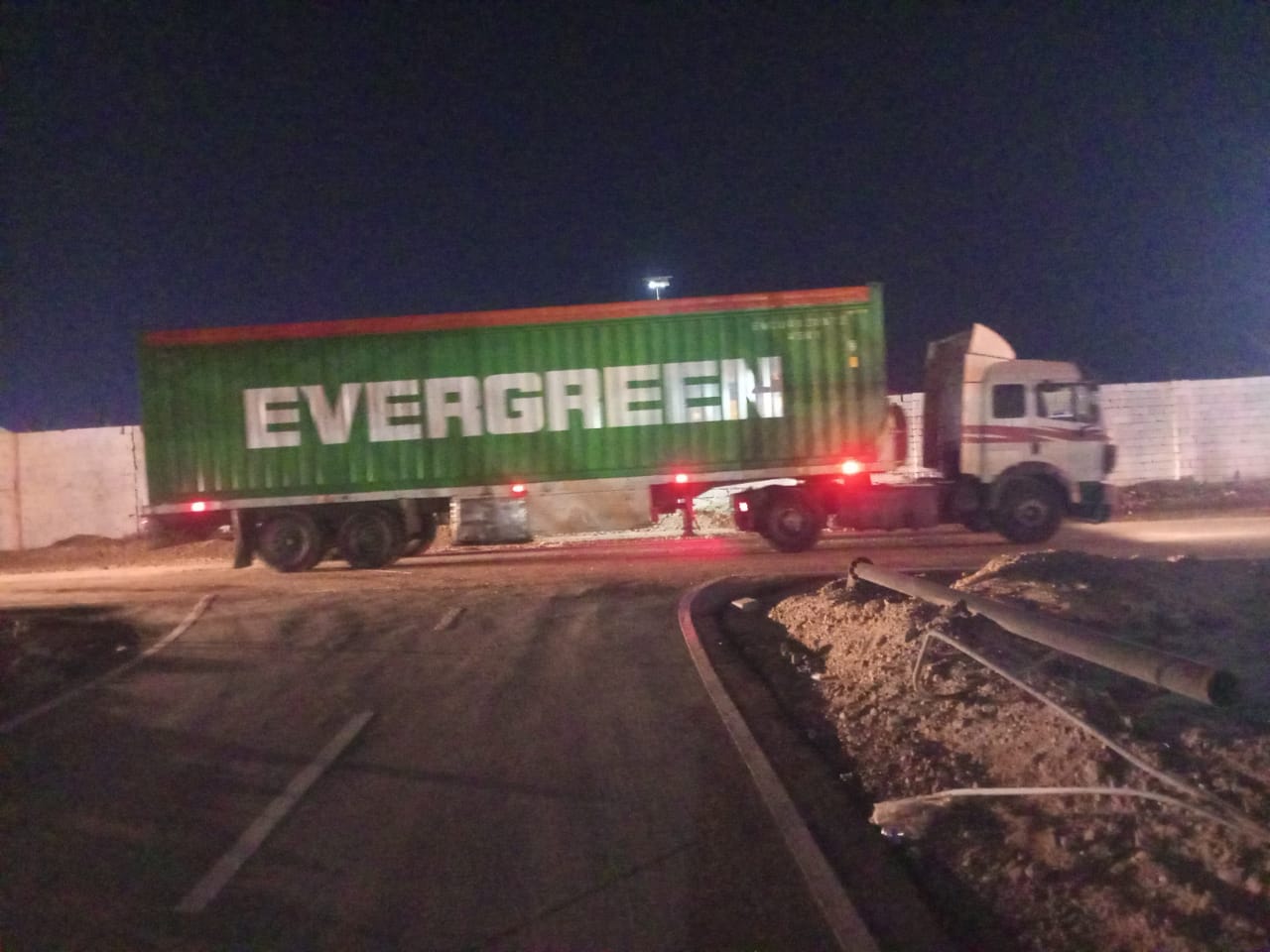
Confirm the production status two weeks before the delivery date and complete the entire set of completion documents, including but not limited to quality certification documents, process inspection flow cards, radiographic inspection reports, pressure test reports, nondestructive testing reports, and post-weld heat treatment reports. According to the instructions of the TONGYANG shipping department. Complete the loading of the container. After confirming the completion of production, take photos for record. The international trade department of TONGYANG handles customs declaration, clearance, and foreign exchange settlement.
For different types of heat exchangers, the following measures are taken during shipment:
- Fixed tube-sheet heat exchanger: Ensure that the packaging is secure to prevent damage to the plates. Sealing gaskets and other vulnerable parts should be separately packaged and protected.
- Floating head heat exchanger: special protection is provided for the floating head part to prevent collision and damage. Ensure that all components are firmly connected to prevent loosening.
- U-tube heat exchanger: Properly fix the U-tube to prevent deformation during transportation. Mark the direction of import and export to avoid installation errors.
Check the tightness of the tube plate and head to ensure no leakage. Detailed installation drawings and operation instructions are provided to guide users in the correct installation and use.
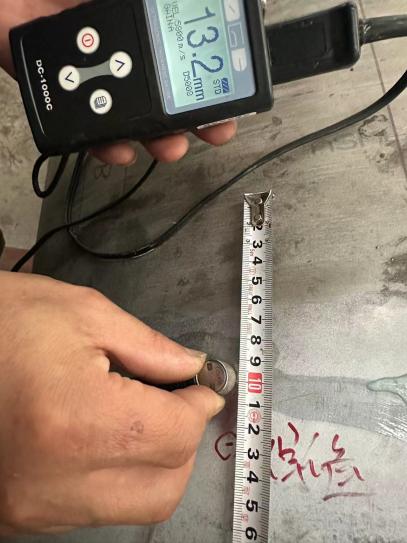

Confirm the production status two weeks before the delivery date and complete the entire set of completion data, including but not limited to quality certification documents, process inspection flow cards, radiographic inspection reports, pressure test reports, nondestructive testing reports, and post-weld heat treatment reports. According to the instructions of the TONGYANG shipping department. Complete the loading of the container. After confirming the completion of production, take photos for record. The international trade department of TONGYANG handles customs declaration, clearance, and foreign exchange settlement.
For different types of heat exchangers, the following measures are taken during shipment:
- Fixed tube-sheet heat exchanger: Ensure that the packaging is secure and prevent damage to the plates. Pack and protect the vulnerable parts such as sealing gaskets separately.
- Floating head heat exchanger: Special protection is provided for the floating head part to prevent collision and damage. Ensure that all components are firmly connected to prevent loosening.
- U-tube heat exchanger: Properly fix the U-tube to prevent deformation during transportation. Mark the direction of import and export to avoid installation errors.
Check the tightness of the tube plate and head to ensure no leakage. At the same time, detailed installation drawings and operating instructions are provided to guide users in the correct installation and use.
Packing And Shipping
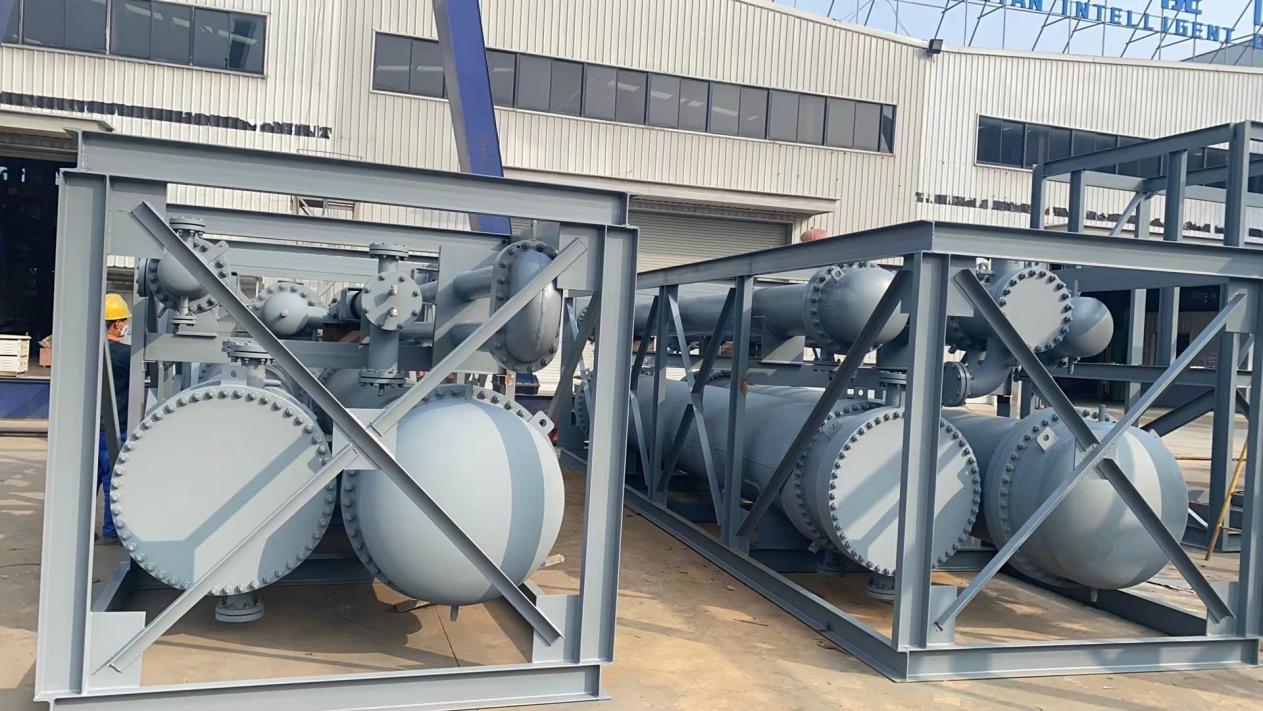
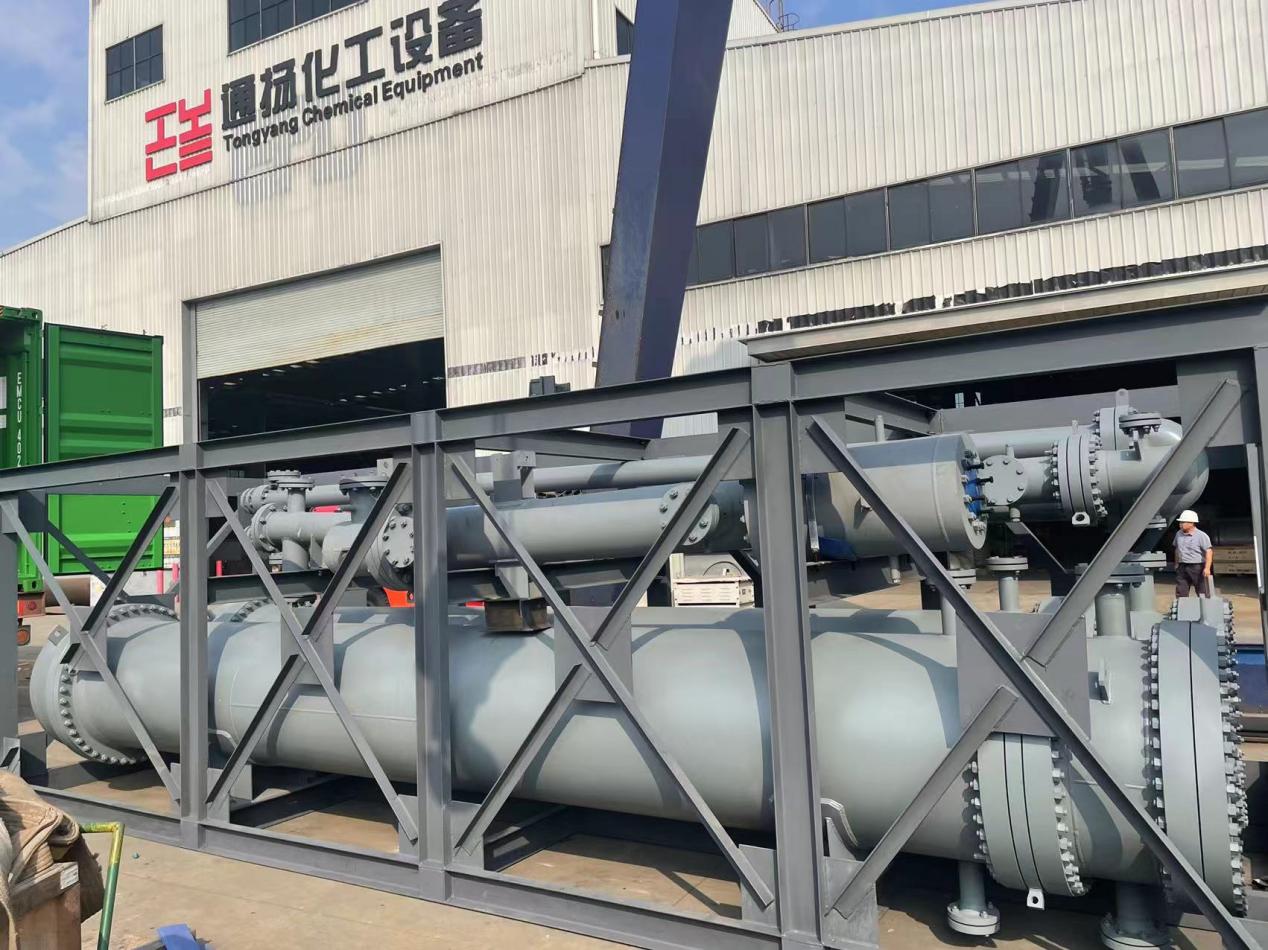

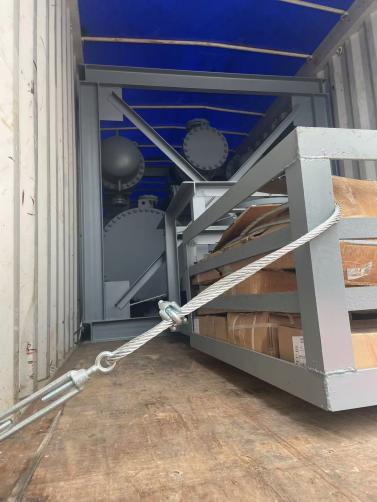
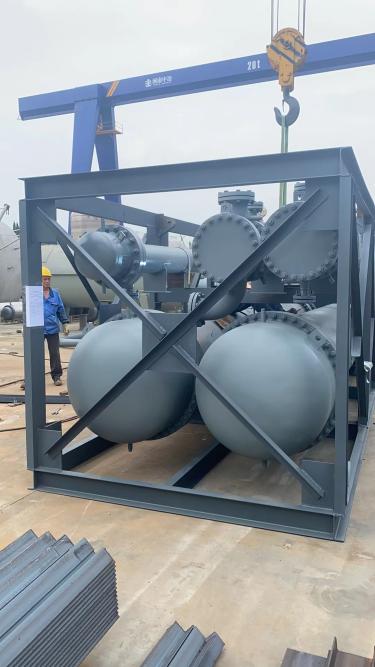
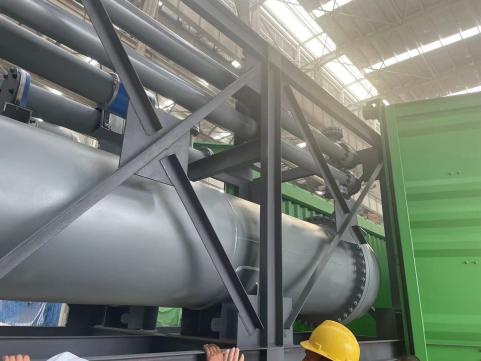
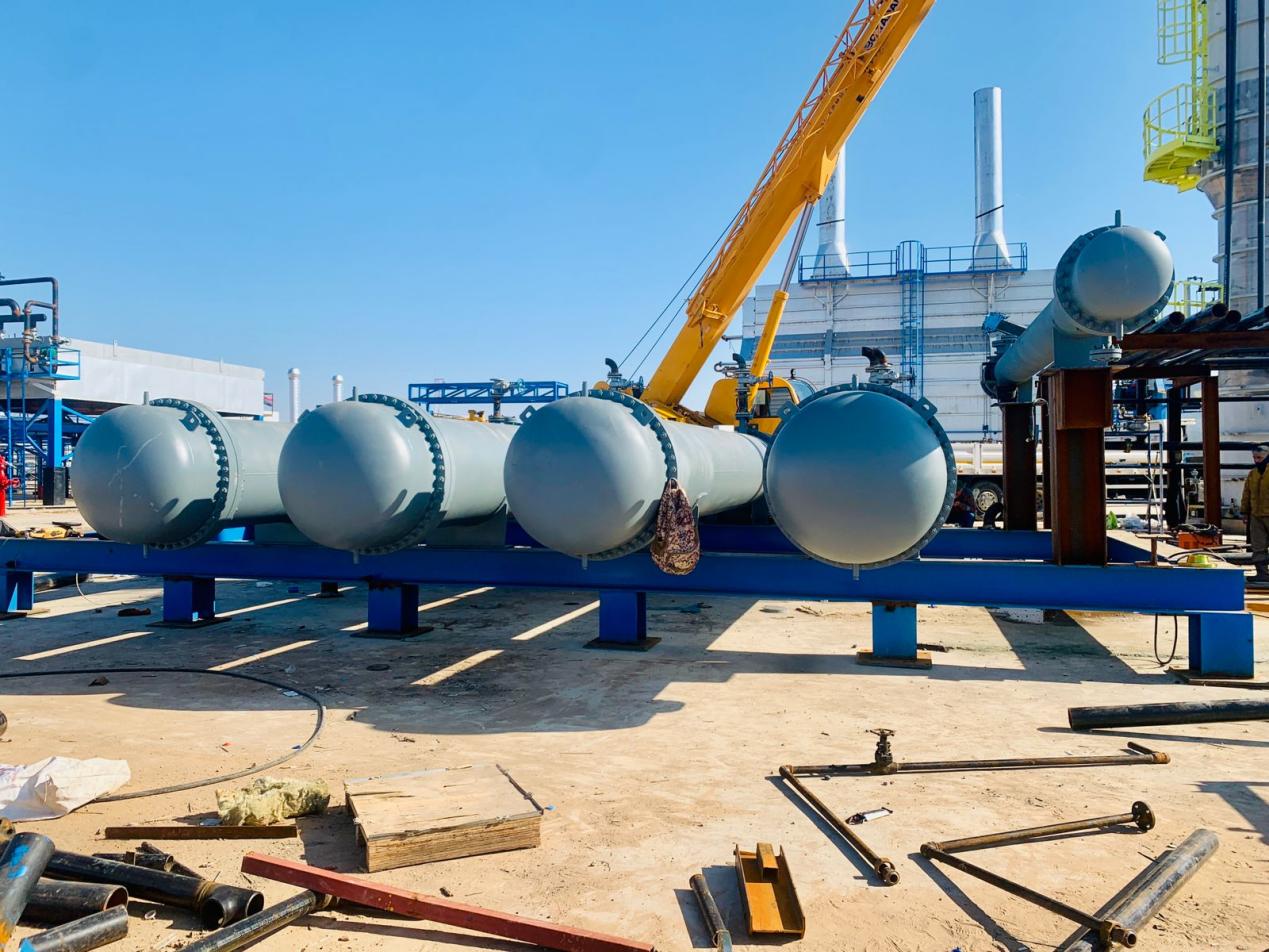
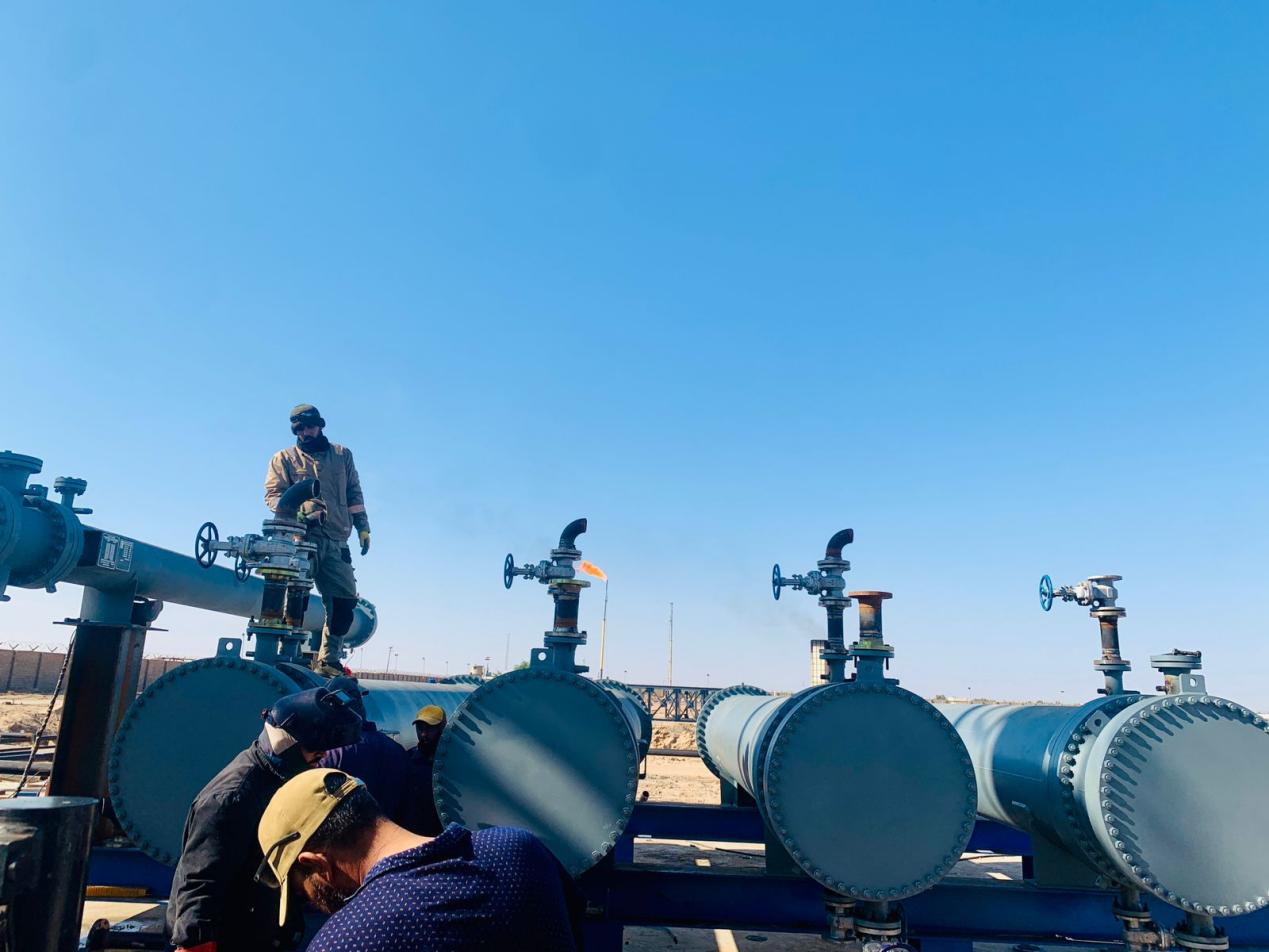
The project has been successfully transported to a Chinese petroleum base, where it has been installed and debugged for operation


Related News

Yangzhou Tongyang Chemical Equipment Co., Ltd
Address
No. 9 Yangtes south Road (No. 1 Bonded Zone), Yangzhou, Jiangsu China
Telephone
扬州经济技术开发区通扬国际贸易有限公司
Copyright©2023 Yangzhou Tongyang Chemical Equipment Co., Ltd.